Olga Onuch

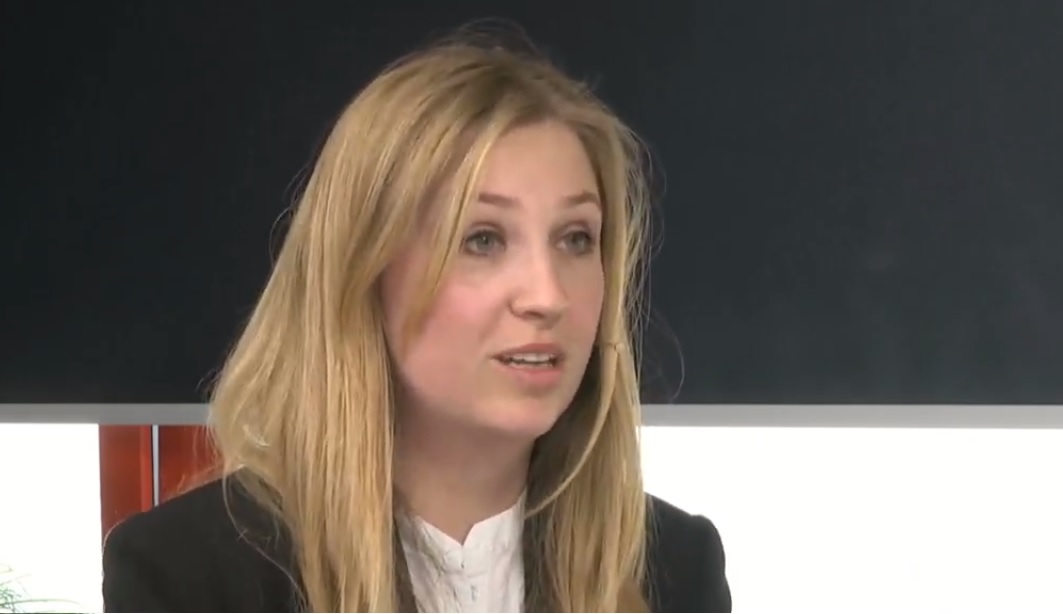
Olga Onuch (DPhil Oxon, 2011) is Professor (Chair) in Comparative and Ukrainian Politics at the University of Manchester (UoM), making Onuch the first-ever holder of a Full Professorship in ‘Ukrainian Politics’ in the English-speaking world. She is the author of Mapping Mass Mobilisation and The Zelensky Effect.
Onuch is an internationally leading scholar of comparative Ukrainian and more broadly central and east European (CEE) and Latin American (LA) politics. She is particularly well regarded for her work on democratic engagement, quality, resilience, backsliding, and democratic duty and civic identity. Thus, her research combines themes from comparative politics, political behaviour, and public opinion on and citizen engagement in geopolitics and international relations. In a recent series of works she has examined the pull and push factors associated with support for stronger relations with autocratic [Russia] and democratic [EU] powers in central and eastern Europe (Poland, Ukraine and Belarus) and Latin America (Argentina).
Professor Onuch joined UoM in 2014, after holding research posts at the University of Toronto (Munk School of Global Affairs 2010-2011), the University of Oxford (St. Antony’s, Nuffield, OSGA & DPIR 2011-2014), and Harvard University (HURI, 2013-2014). Since 2014, in addition to her post at UoM, Prof. Onuch has been: an Associate Member (Politics) of Nuffield College at the University of Oxford (2014-2021), a Fellow at the Davis Center at Harvard University (2017), a Visiting Professor at Universidad Di Tella (2019-2020), and a Senior Research Associate at CERES, Munk School at the University of Toronto (2021). Since 2023, she has been a Visiting Professor by invitation at College d’Europe Nation in Warsaw.
Onuch’s research on Ukraine has resulted in her consulting government agencies, ministries, and policymakers in Canada, Ukraine, the UK, and the US. Professor Onuch also has worked for international non-governmental and intergovernmental institutions including the UNDP (NYC HQ), The World Bank (IBRD in Kyiv), OSCE, OECD, and OSF.
In My Own Words…
I was born to active and engaged parents during Martial Law on the heels of nationwide protests. My first experience of state repression was in utero [I am proud to be my mother’s daughter]. As a newborn, I slept in an actual bread basket to the sounds of philosophical discussions, sytnyi soup slurps, and shuffling feet – our flat was used as a transfer point for bibuła/samvydav. It may be, thus, easy to understand my life-long fascination with democracy (its rise and resilience), dissent, and repression in central and eastern Europe and beyond (namely Latin America). Undoubtedly, my own first-hand experience (a refugee immigrant, belonging to a historically repressed minority ethnic group, the grandchild of a forcibly displaced person and a political prisoner, and the child of an [un]diplomatic artist [I am proud to be my father’s daughter]) has influenced my interest in certain social science puzzles. These ancestors have taught me the value of studying how unlikely and seemingly ordinary people regularly come to play pivotal roles in shaping politics, culture, and society, in rare “revolutionary moments.” I may be a data nerd who is obsessed with democracy – but they made me this way. “Я думаю про вас…” – Ліна Костенко.

A Research Blurb
A scholar of comparative politics of [central & eastern] Europe and Latin America. Onuch’s research has been and is devoted to understanding the micro-foundations of ordinary citizens’ democratic dispositions, identity, civic duty, engagement, political resilience, and geopolitical attachments. Onuch’s comparative research has demonstrated that civic identity and duty (or their absence) are central in shaping political behaviour and foreign policy preferences in democratising contexts. Her work on affective polarisation and media consumption has also highlighted how democratic dispositions are central in driving not only high-risk engagement (like protest and voice after migration) but also geopolitical attitudes (like support for EU accession and opposition to autocracy’s pull). Onuch’s work is both comparative in nature and case study-based (Ukraine, Argentina, Poland, Belarus, Venezuela, and Brazil). Fluent in five languages, Onuch’s work is nuanced through extensive immersive field-based research (having lived in Ukraine, Poland and Argentina) and is empirically rich, combining over 500 interviews, dozens of focus groups, mental mapping exercises, and leading over 20 national surveys, 3 protest surveys, and multiple online surveys among migrants.

The Zelensky Effect
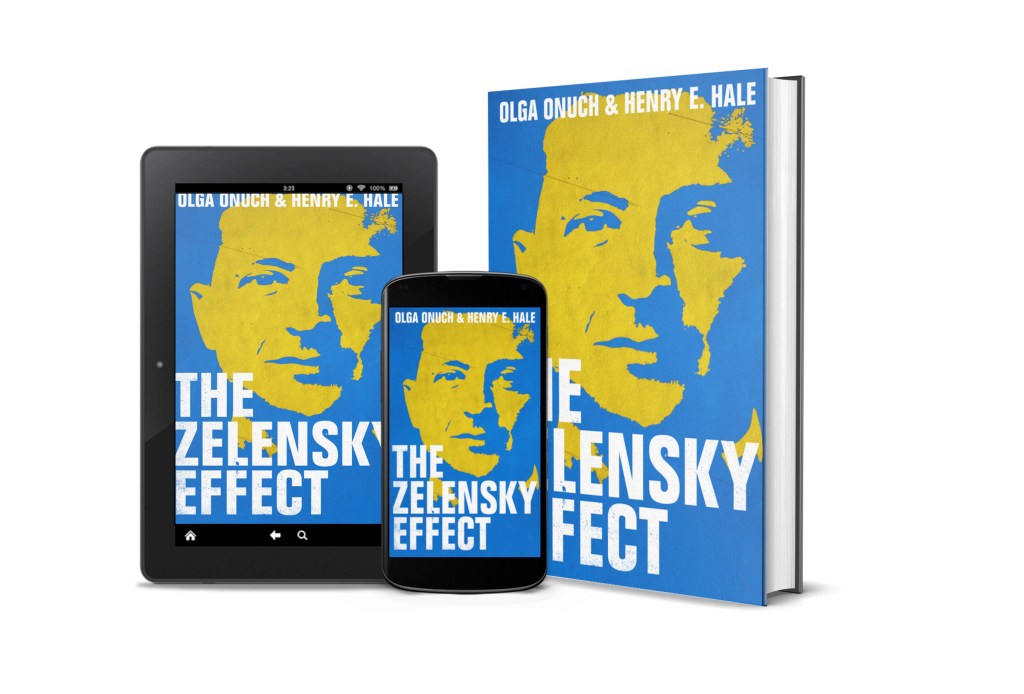
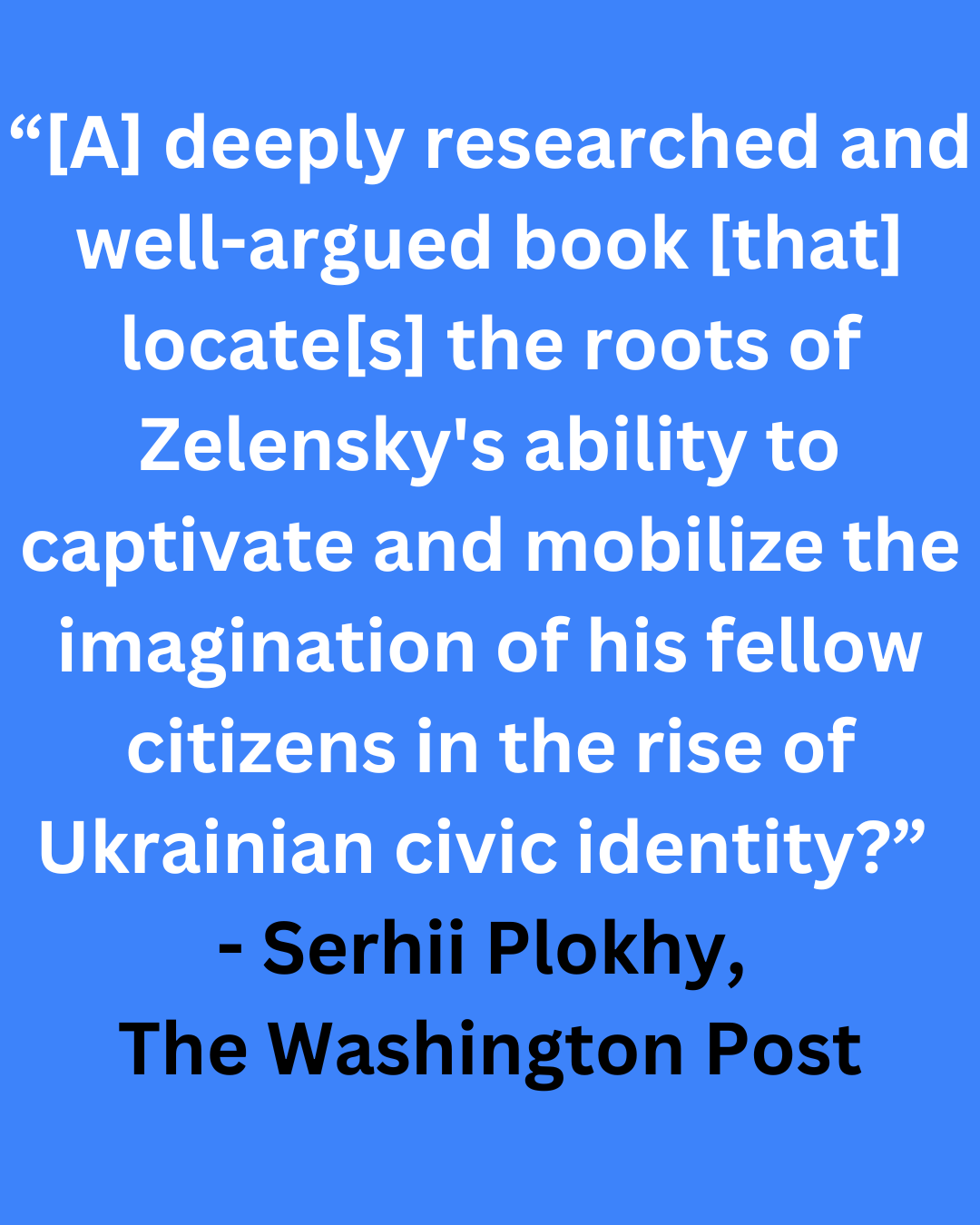
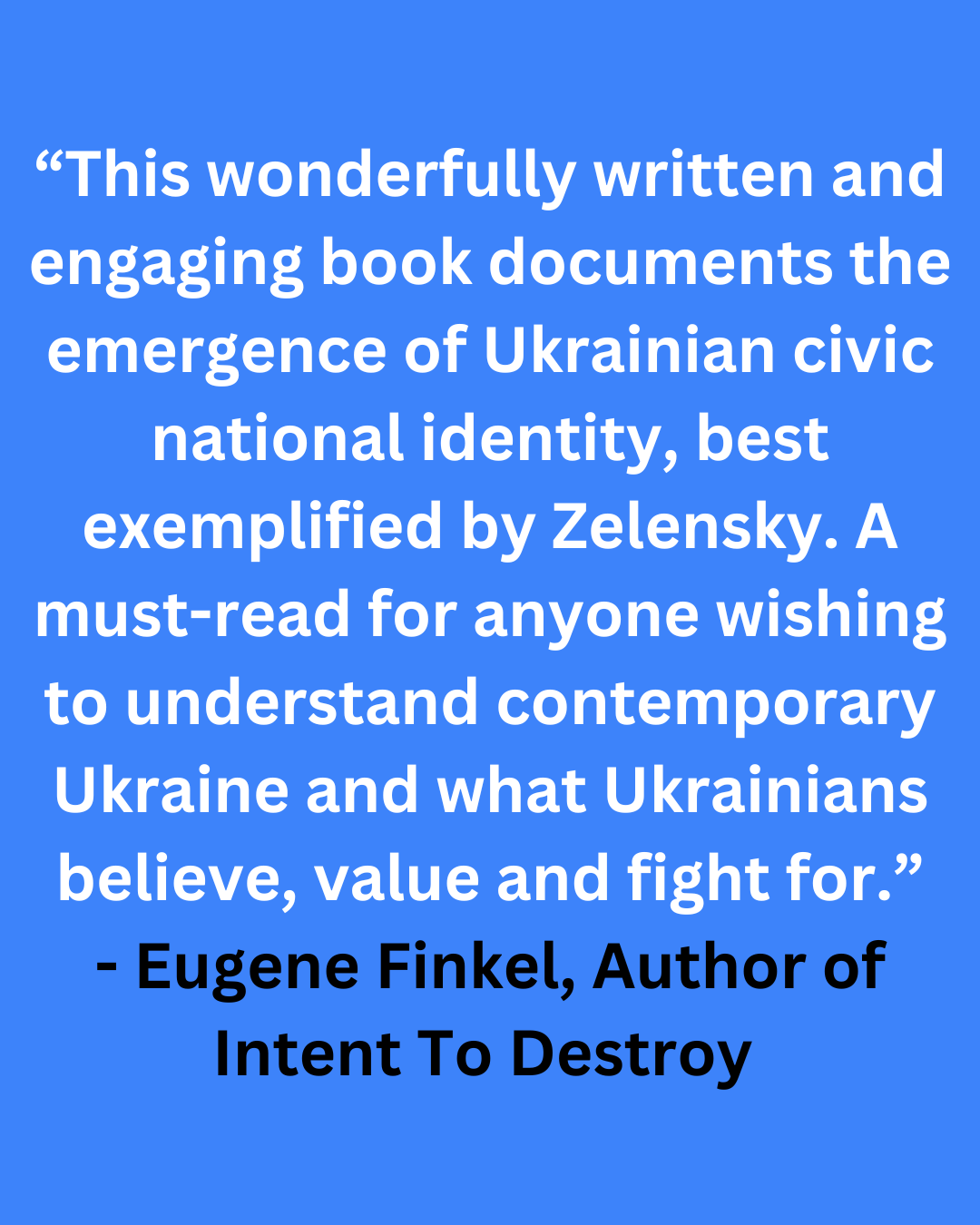
The Zelensky Effect (OUP/Hurst 2023/2022, co-authored with Henry Hale) has received extensive praise in New York Review of Books, TLS Foreign Affairs, Guardian, Washington Post, New York Times, The Diplomatic Courier, The Times Radio Podcast, The Telegraph, Ukraine Lately Podcast, The Democracy Paradox, Ukraiinska Pravda, Forbes Ukraine, Elle Ukraine and more. Based on 8 years of research Onuch and Hale analyze the rise of democratic duty and state attachment in Ukraine – showing that Presdient Zelensky is as much a product of the Ukrainian civic nation that he comes to embody as he is a proudfly capable leader who helps rally a key consitency in Ukraine. Thus, The Zelensky Effect is as much about how the Ukrainian nation made Zelensky the man he is today as it is about his personally capacity to rally key consituencies and unite them. He is simply one of 44 million just like him.








Projects


Onuch has led several major projects as Principal Investigator.
Professor Onuch is currently a British Academy Principal Investigator of the IBIF Project “Identity and Boarders in Flux: The Case of Ukraine” (2019-2025).
As overall lead and Principal Investigator of MOBILISE “Determinants of ‘Mobilisation’ at Home and Abroad: Analysing the Micro- Foundations of Out-Migration & Mass Protest”. A multi-year project (2019-2024) funded through the Open Research Area (ORA) Scheme with direct support from the ESRC in the UK, the DFG in Germany, the ANR in France, and the NWO in the Netherlands (€2,002,039 total).
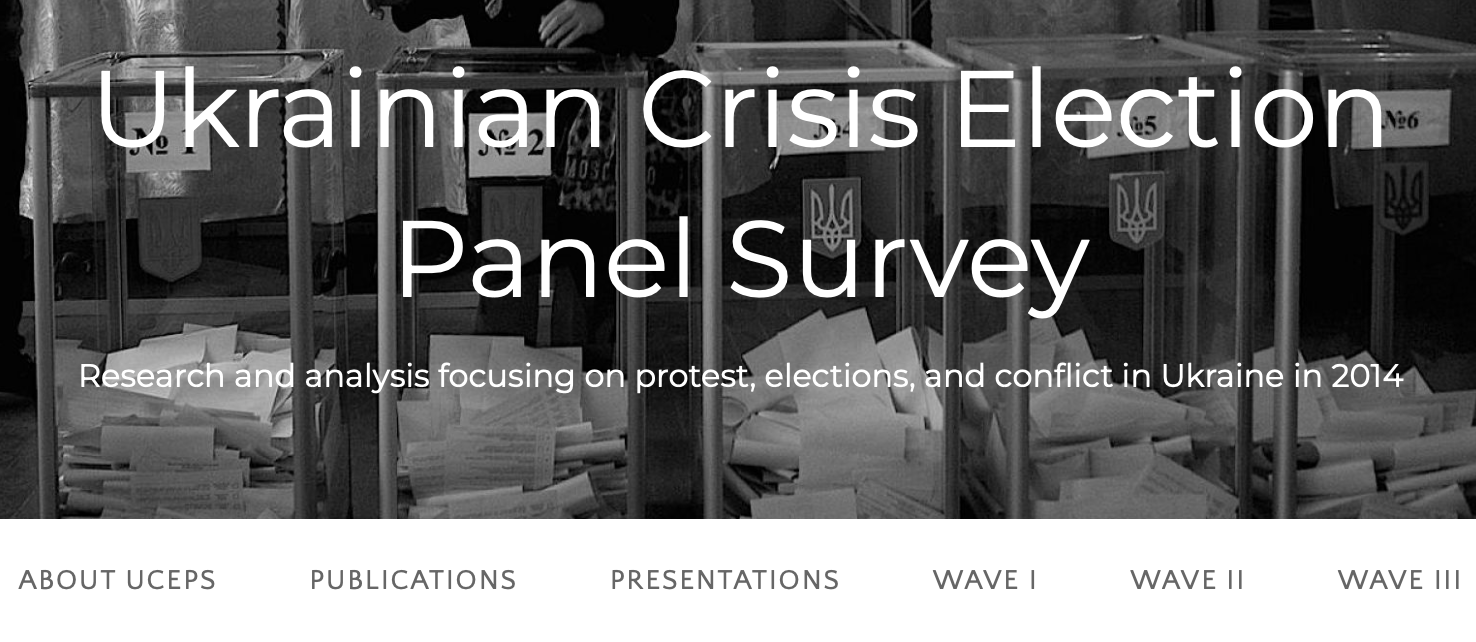
In 2022, Onuch joined a team of colleagues at the Kyiv School of Economics, Duke, UNC, and the University of Maryland on the #DataForUkraine project providing data on civilian resistance (CR), human rights abuses (HRA), internally displaced people (IDP) and humanitarian support/needs (HS) during the ongoing Russian invasion of and war against Ukraine.

Media
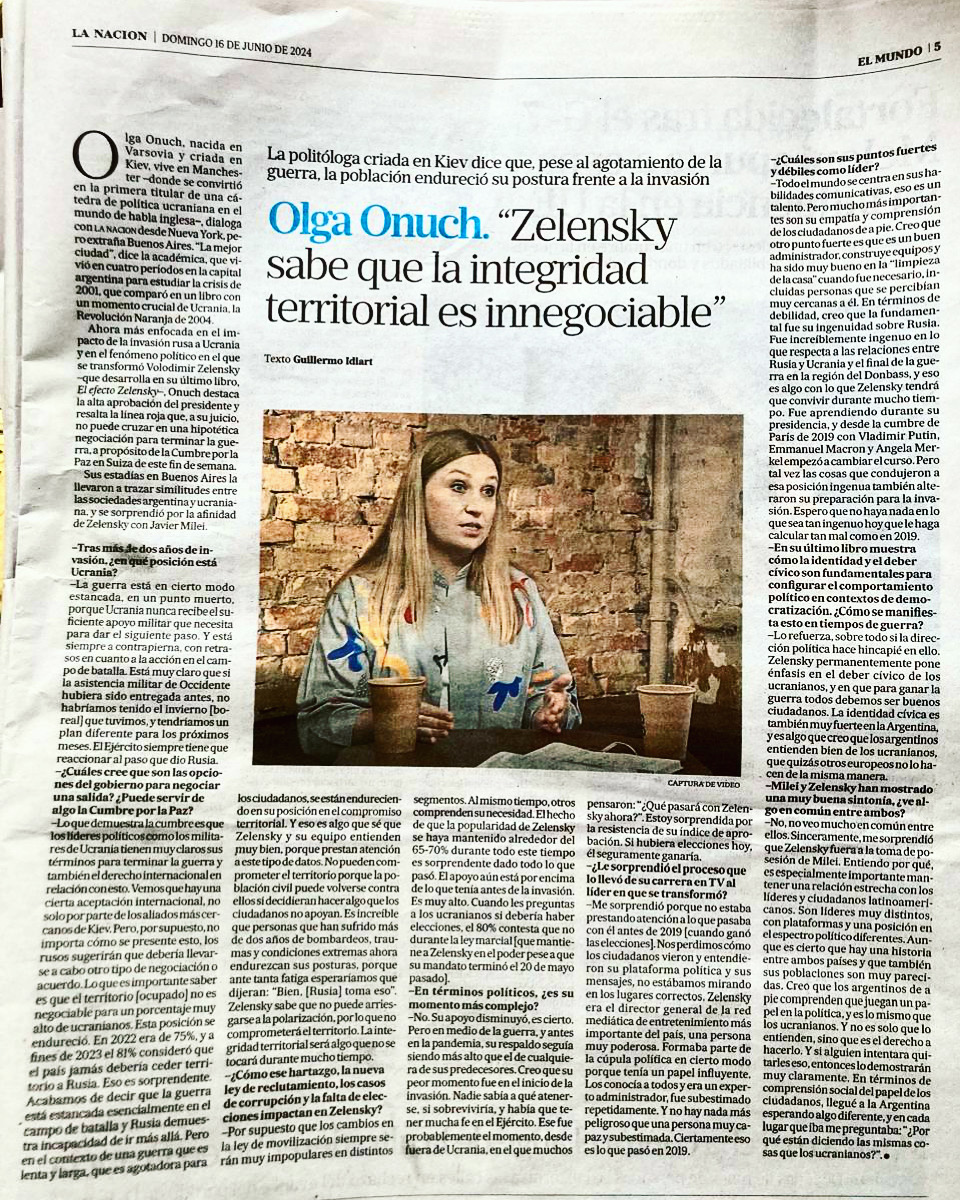
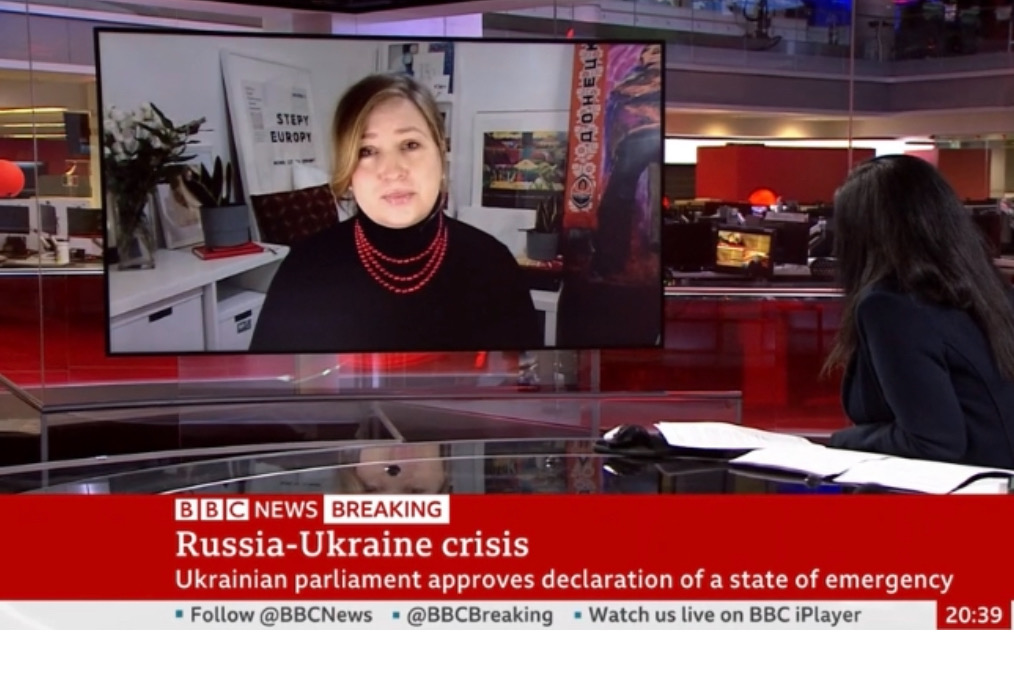
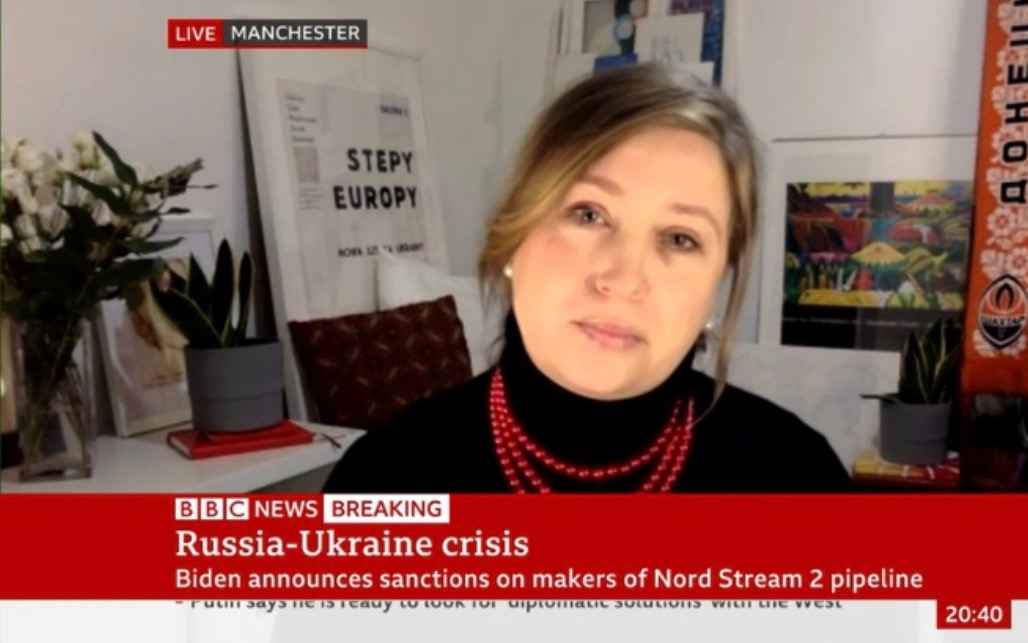
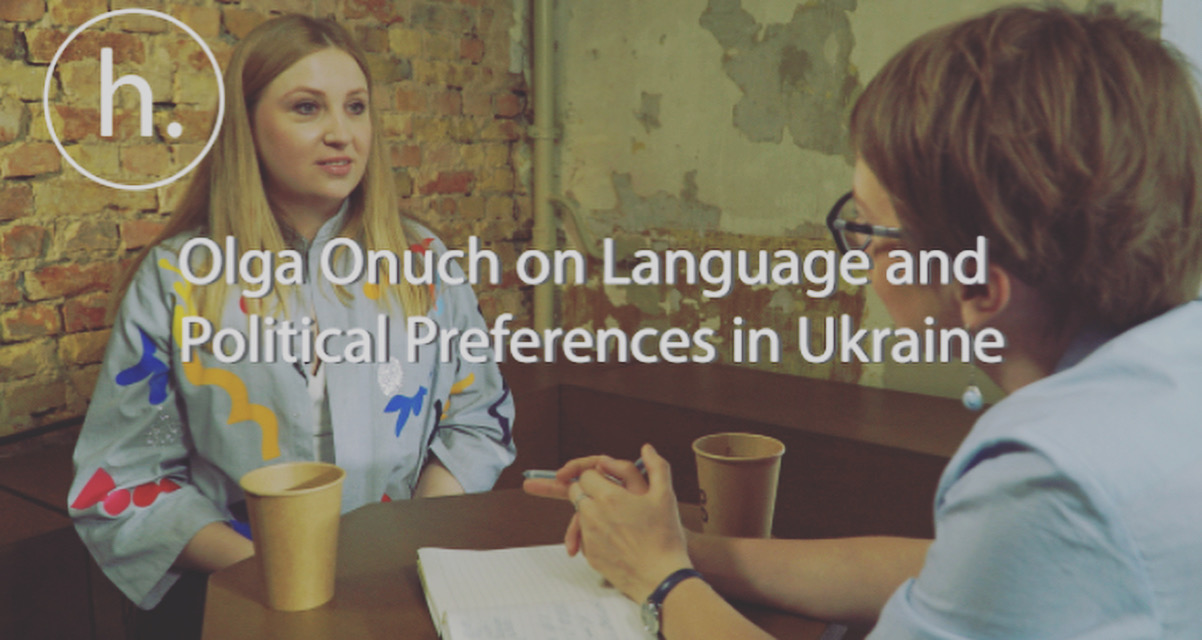
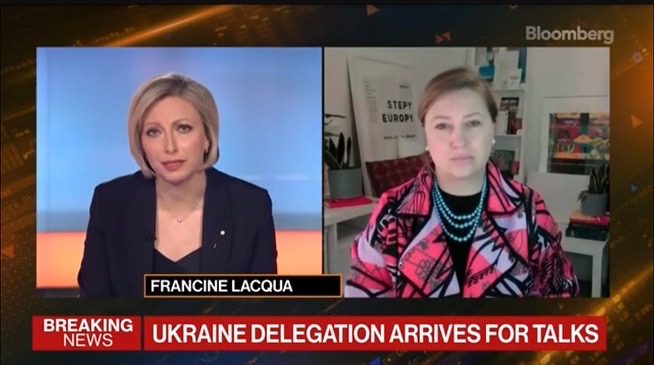
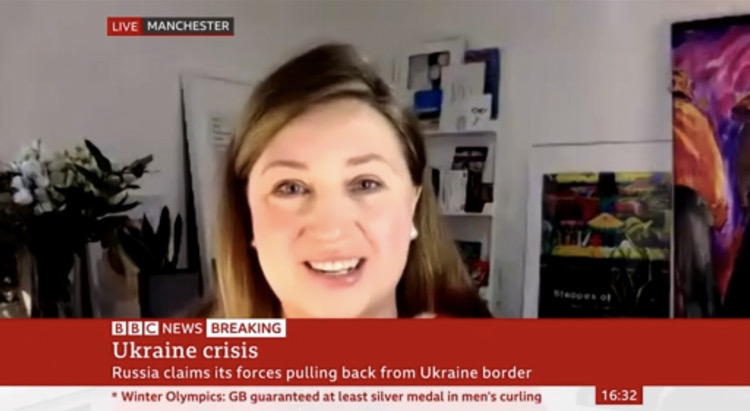
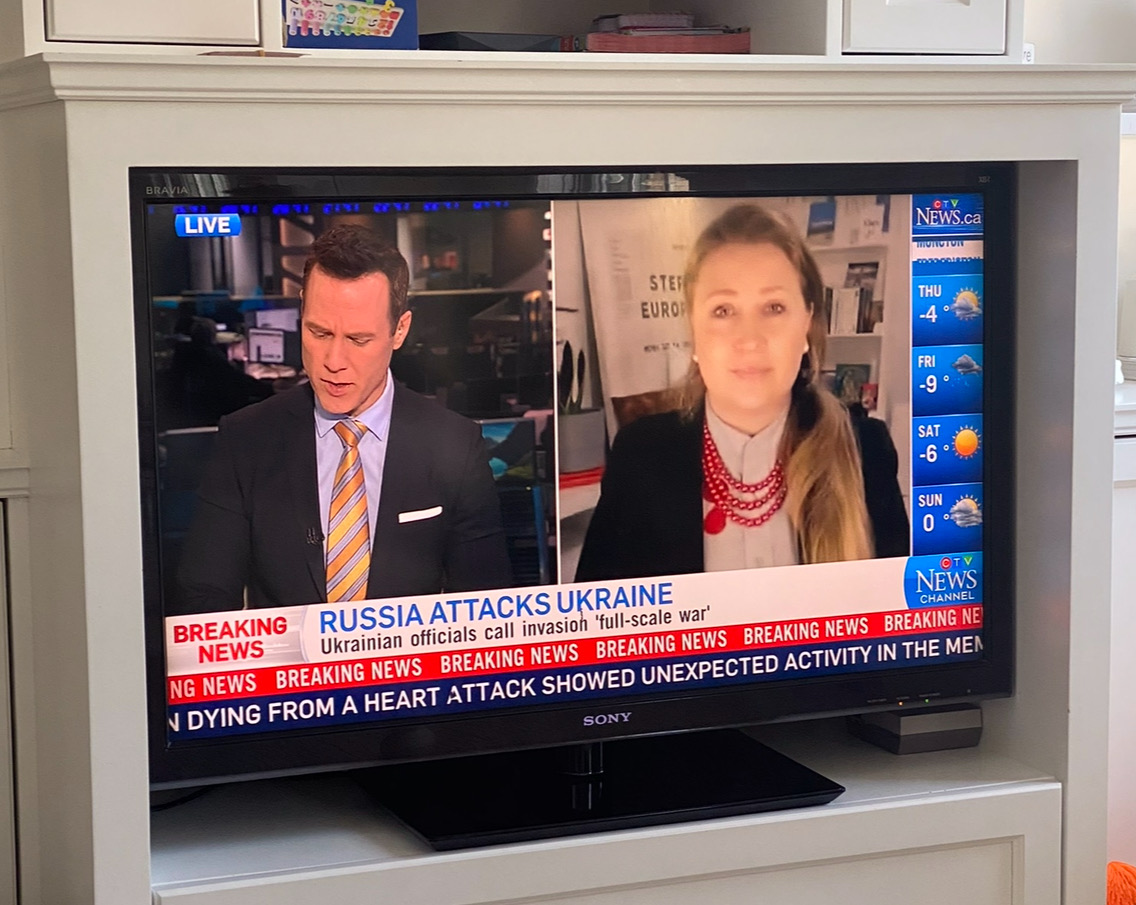
Onuch’s research regularly appears in leading media outlets these include Sky News, BBC News UK, The Washington Post, The New York Times, The Wall Street Journal, The Telegraph, The Independent, The Times, The Guardian, The Toronto Star, BloombergTV, ABC, CTV, CBC, BBC World, Channel 4, ITV, Al Jazeera, AFP, France24, La Nacion, Ukraiinska Pravda, ICTV, Hromadske TV, Hromadske Radio, Gazeta Prawna, TVN, NPR, Suspilne TV, 1+1, among many others.




Publications
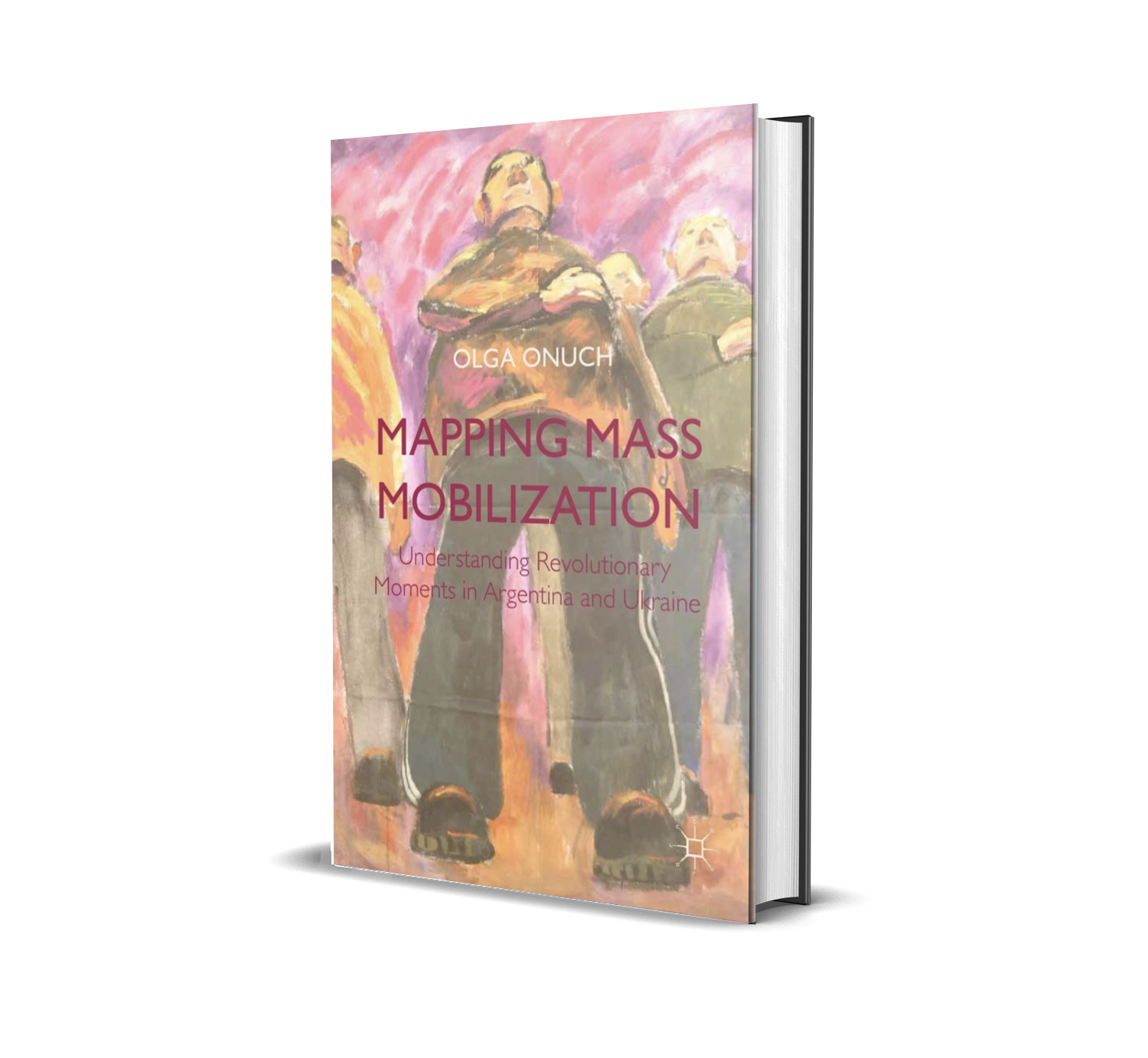
Onuch is the author of two books, as well as, numerous scholarly articles, book chapters, and policy briefs. Her first monograph, Mapping Mass Mobilization analyzed processes shaping mass protest in Argentina and Ukraine. Her second monograph, The Zelensky Effect (OUP/Hurst 2023/2022, co-authored with Henry Hale) has received extensive praise in New York Review of Books, TLS Foreign Affairs, Guardian, Washington Post, New York Times, The Diplomatic Courier, The Times Radio Podcast, The Telegraph, Ukraine Lately Podcast, The Democracy Paradox, Ukraiinska Pravda, Forbes Ukraine, Elle Ukraine and more.
Books



” And I will remind you of her words today …‘ there is no need to think meagerly … When one has a nation, she is already a person’ …“
—Volodymyr Zelensky, reciting Ukrainian dissident poetess Lina Kostenko, on 20 March 2022
Substack coming soon…
Join as a subscriber and receive regular insights and analysis on Ukrainian politics.

 Political Science Professor, Author, Analyst, & Consultant