
it will be … a long war … lasting years … Ukrainians will fight … will defend their country.
— Olga Onuch, evening of February 23, 2022, BBC News, Breaking.
Professional biography below but first,
How it started
On the heels of nationwide protests and under Martial Law, I was born to active and engaged parents.
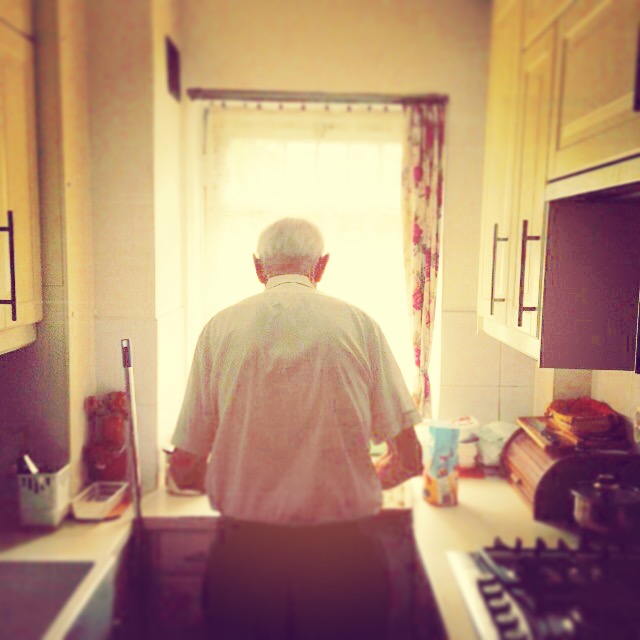
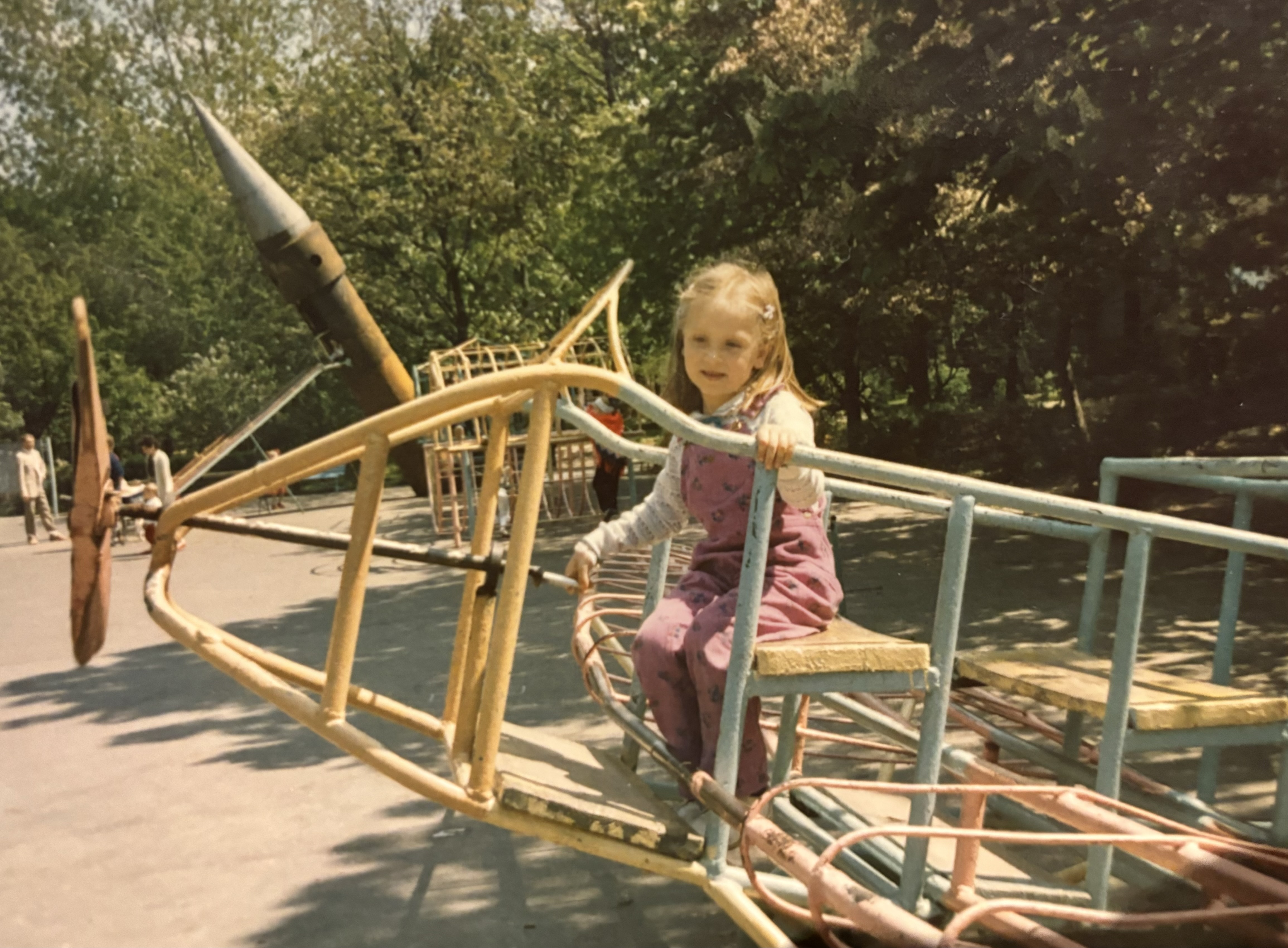
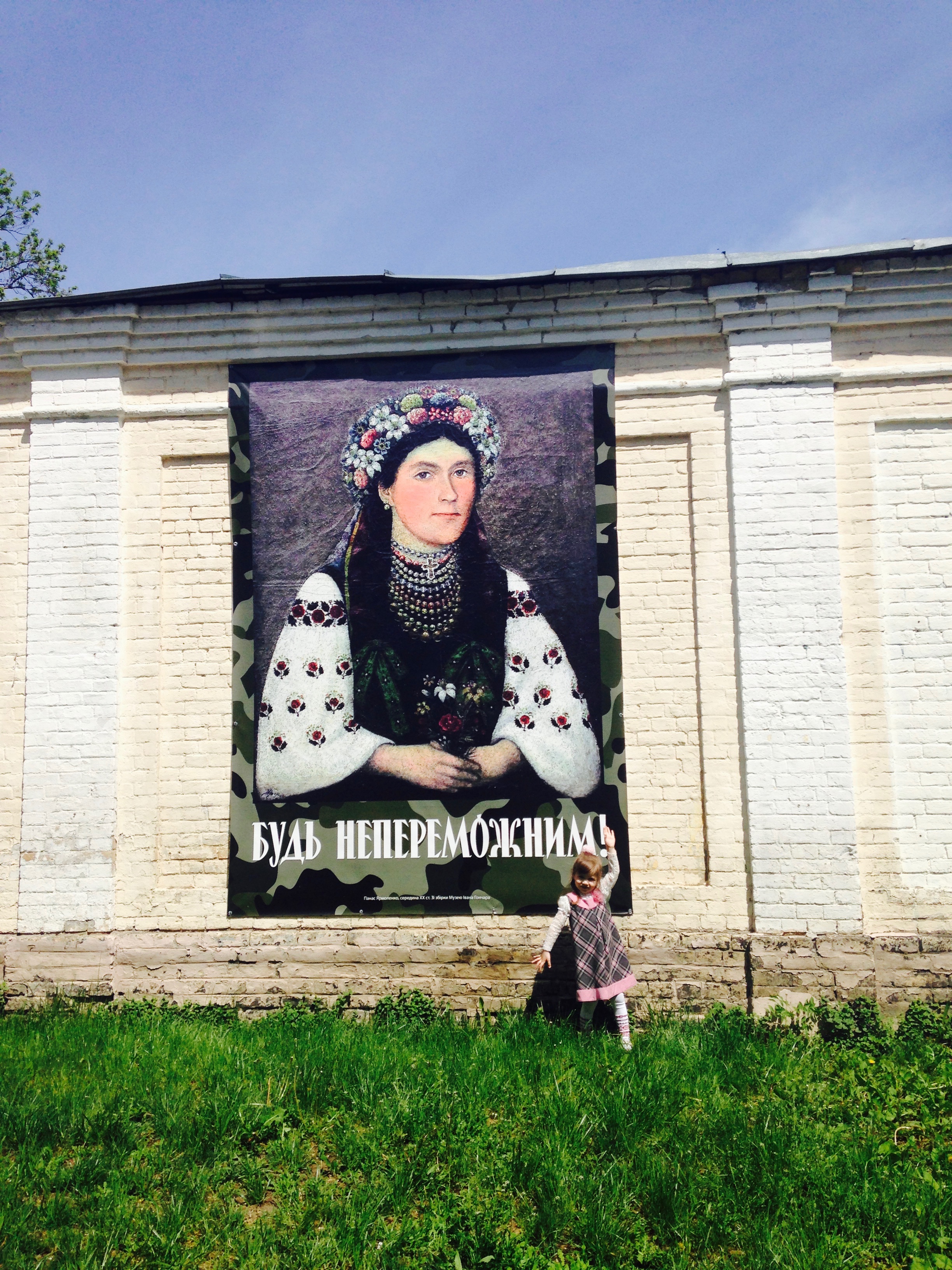
In those first years of my life under communism, I slept in a bread basket, my father ran Dziekanka, and my mother was a graduate student studying the psychology of early childhood education through creative play. So naturally, I had an entire wall in our tiny studio flat dedicated to my drawings. I was a lucky enough to be able to ask the various artists and activists who visited us to draw a yellow flower, a blue fish, or some other typically very specific request. It was a glimmer of joy in the midst of late-communist poverty, repression, and uncertainty. Yet, even during such times of struggle at our home—filled with Bibuła/Samvydav thanks to Miroslaw and Roman, among others—one could always count on a hot Borshch or other hearty Ukrainian soup.
Perhaps, it is no wonder that the extraordinary things that ‘ordinary’ citizens do in times of crisis (and how their lived experience of crisis shapes their political beliefs and policy preferences) are a common thread to my research. The mystery of that remarkable individual level calculus to join-in collectively en mass in a moment of mass mobilization will likely fascinate me for life.
Then came life living abroad—be it in Argentina, Canada, or the United Kingdom – all while Toronto and Kyiv remained “home.” It focused my interest in what unites and polarizes ordinary citizens, what sparks their attachments to diverse groups and identities or to the state. And how this can vary in different societies and, above all, their attachment to or retrenchment from democracy. In some places, I would become an almost instant insider – a “fully accepted” member of a society. And yet I could still remain all different versions of my ethnic, political, and civic identities. In other places, I would be asked – sometimes forced – to choose who “I am.” And in other places still, I would become what can only be described as a “nowhereian,” simultaneously an insider and outsider, a local and foreigner. Some folks would accept me fully into the fold as “one of their own,” whilst others (specifically those who knew me less) would wonder how it is that this “outsider” knew so much about them, their culture, their ways of being political and doing politics.
So it is no surprise that these experiences sparked some new political science questions, such as: What are the linguistic, ethnic, and cultural markers that allow one to identify as an insider, “a true” citizen with rights within and duties to the national collective? And whilst identity is fluid, why are some identities impossible to shake, while others can be activated and deactivated through different social and political interactions, through different political engagements, and through different experiences? How do these identities relate to or even drive civic engagement, democratic dispositions, and geopolitical preferences? How and why do some people come to identify primarily with the state and its democracy and develop a strong sense of civic duty to it? And how does this drive “exit” and “voice”?
Then came years of extreme crisis. Not least a global pandemic and war. When Russia’s so-called “regional” war of aggression targeting Ukraine grew into all-out war, and as Russia continued to conduct a hybrid war against all of Central and Eastern Europe, but also against countries in the “global south” – such as Argentina. It became clearer how crises can rally citizens to the state and to democracy, but also how they can dampen civic democratic resilience at the individual level. So now I contemplate what happens when autocratic neighbors challenge the values that underpin that state and its democracy? What is the interplay of variables that keeps those ordinary citizens resilient to autocracy’s pull? When and why do citizens succumb to autocratic dispositions and come to support autocrats? And what might help inoculate them from this shift?
“Whether you want it or not,
– Wislawa Szymborska “Children of Our Age”
your genes have a political past,
…
you walk with political steps
on political ground.”
Professional Biography
Olga Onuch (DPhil Oxon, 2011) is Professor (Chair) in Comparative and Ukrainian Politics at the University of Manchester (UoM), making Onuch the first-ever holder of a Full Professorship in ‘Ukrainian Politics’ in the English-speaking world. She is the author of Mapping Mass Mobilisation and The Zelensky Effect. In 2024 she co-founded the British Association of the Study of Ukraine. She is an expert in comparative democratisation in central and east European and Latin American politics.
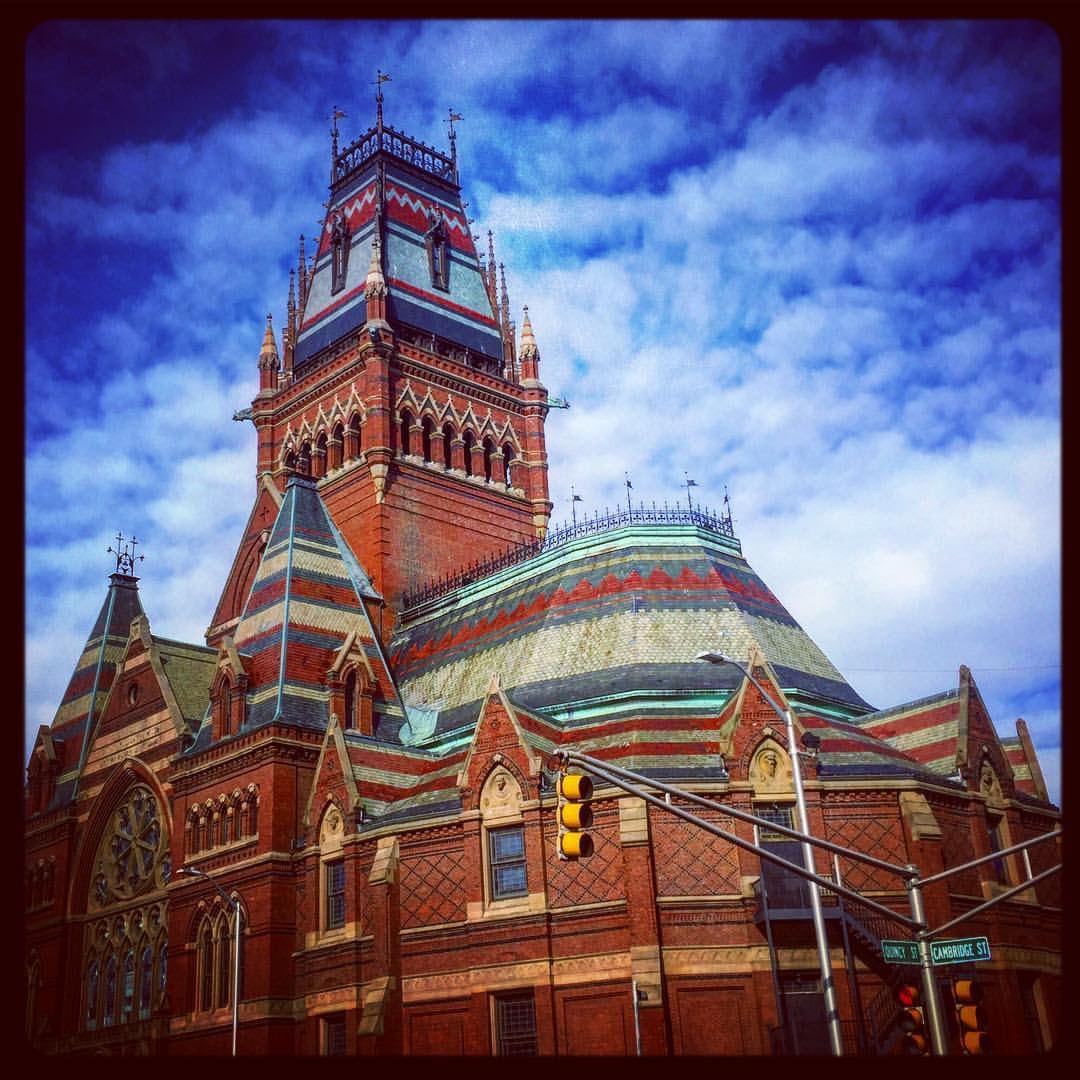
Professor Onuch joined UoM in 2014, after holding research posts at the University of Toronto (Munk School of Global Affairs 2010-2011), the University of Oxford (St. Antony’s, Nuffield, OSGA & DPIR 2011-2014), and Harvard University (HURI, 2013-2014).
Since 2014, in addition to her post at UoM, Prof. Onuch has been: an Associate Member (Politics) of Nuffield College at the University of Oxford (2014-2021), a Fellow at the Davis Center at Harvard University (2017), a Visiting Professor at Universidad Di Tella (2019-2020), and a Senior Research Associate at CERES, Munk School at the University of Toronto (2021). And since 2023, she has been a Visiting Professor by invitation at College d’Europe Nation in Warsaw.
Onuch currently works with different government and international non-governmental and intergovernmental institutions agencies, ministries, and policymakers in Canada, Ukraine, the UK, and the US. Her non academic work experience includes posts at: UNDP (NYC HQ), The World Bank (IBRD in Kyiv), OSCE, OECD, and OSF.


SERVICE & TEACHING
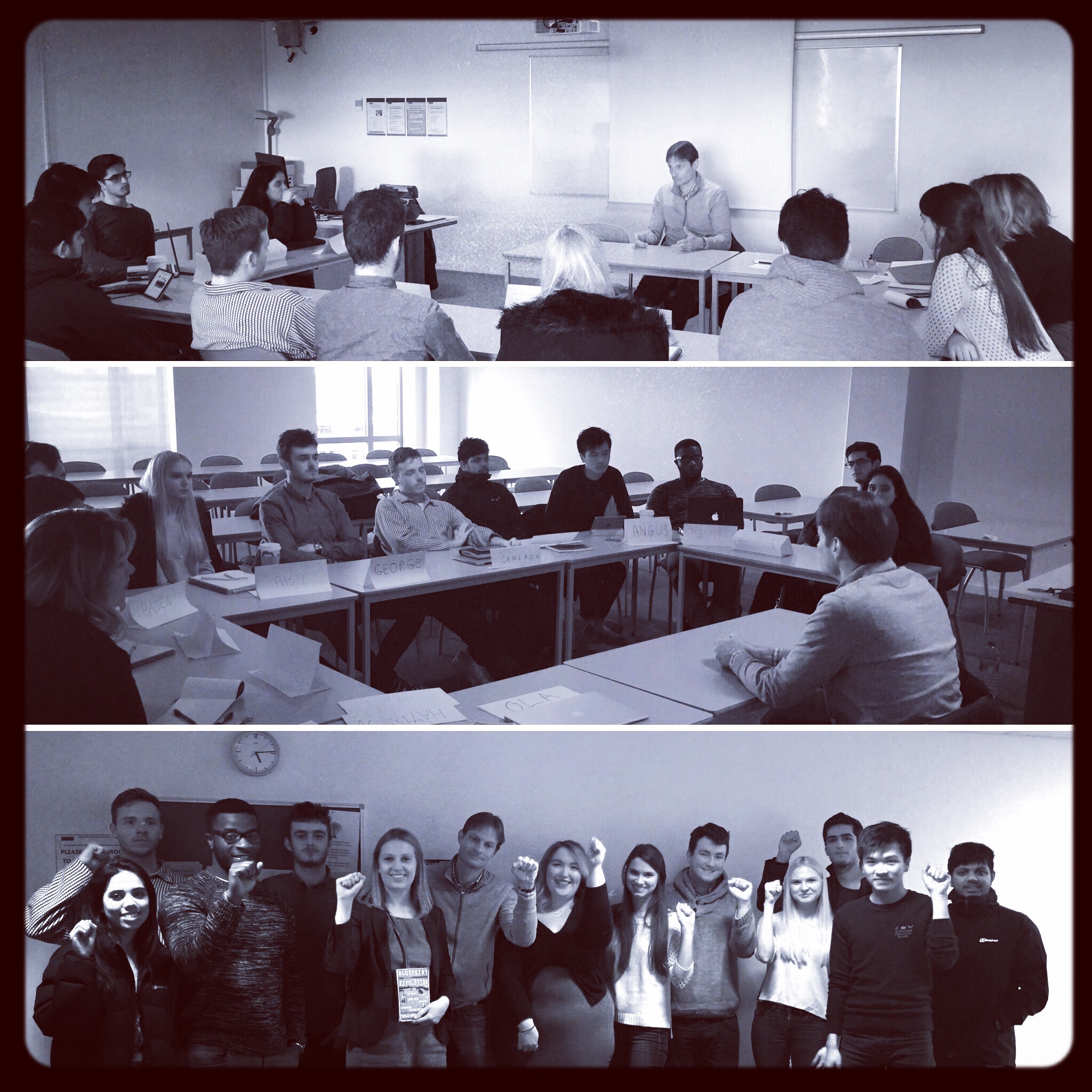
Currently, Professor Onuch is the UoM Politics Department Impact Lead. She has also been a regular member of the Politics Department Research Leadership Team 2015-2021 & 2023-present and is an active Member of the Democracy and Elections Research. Previously she was the Comparative Politics Cluster Chair (2023-2024), Ph.D. Director as well as ESRC Politics Pathway Lead at UoM (2019-2021), Chair of the Comparative Public Policy and Institutions Research Cluster (2015-2019), BASEES Politics Rep (2015-2017), and The MA in European Politics Pathway Director (2014-2015).
Outside of UoM, Onuch is a standing member of the ASN, and a member of the ASN Convention Ukraine Program team, former Chair of the Davis Book Prize Committee at ASEEES, and an editorial board member of Nationalities Papers, and the Journal of Communist and Post-Communist Studies among others.
Onuch currently teaches Comparative Politics, Comparative Protest Politics in CEE, Comparative Democratization in Eastern Europe and Latin America, and Ukraine Rises: Politics of Contemporary Ukraine.
She has taught courses on EU Expansion, EU Foreign Policy, Research Design and Research Methods, Activism and Social Movements in Eastern Europe, Central and East European Politics, and European Politics.
DEGREES
Onuch holds a DPhil [Ph.D.] in Politics (defended with no corrections in 2010, degree awarded in 2011), from the Department of Politics and International Relations (DPIR), at the University of Oxford (Oxford, UK). Her doctoral research focused on social mobilization, protest, elections, and the role of the media in democratizing states in Eastern Europe and Latin America. Her thesis on mass mobilization in Ukraine (2004) & Argentina (2001) was supervised by Gwendolyn Sasse and Laurence Whitehead (advisor) and awarded with high praise and no corrections. Nancy Bermeo and Mark Beissinger were on her Viva examination committee. She was awarded a Neporany Doctoral Prize.
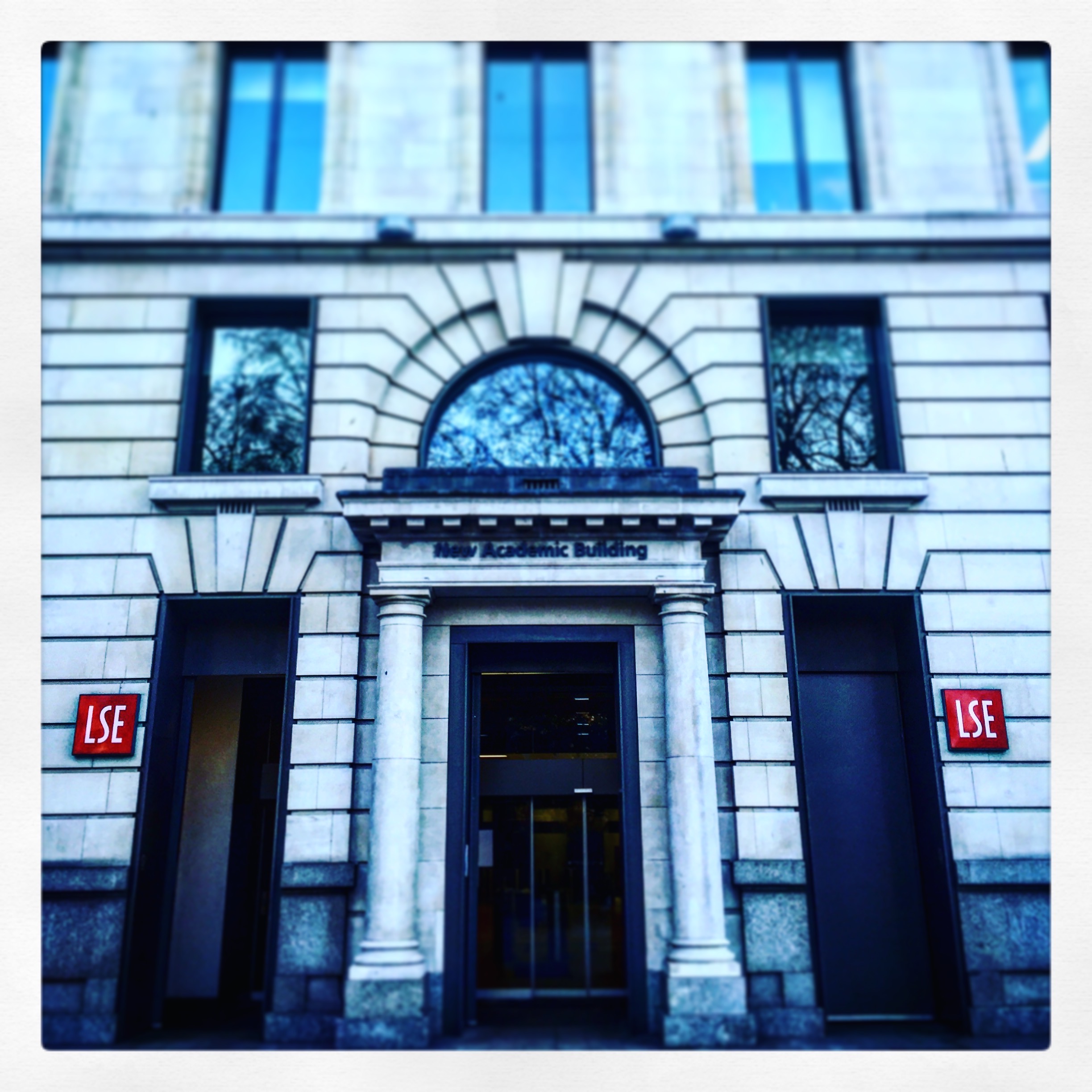
Onuch holds a Master of Sciences in Comparative Politics (2006) from the London School of Economics and Political Science (London, UK). Her MSc thesis is entitled: “The Dynamics of ‘Exit’ and ‘Voice’: Causes and Growth of the Informal Sector (‘Exit’) and its Relationship to Collective Political Participation (‘Voice’) in the Case of Informal Workers in Rio de Janeiro, Brazil and Kyiv, Ukraine.”
Onuch received her first degree, B.A. Honors (2005) with a double major in Political Studies and International Development Studies, from Queen’s University (Kingston, Canada). Onuch worked as a research intern for the Regional Bureau of Latin America and the Caribbean at the UNDP HQ New York as part of her studies. Specifically, at the UNDP REBLAC, she work on the democratic dialogue programme and its publications. Onuch was awarded the Viapond Award for Excellence in Development Studies.

PREVIOUS POSTS
In 2014-2015, Onuch was Co-PI (with Hale, Colton, and Kravets) of a National Science Foundation-funded study of Ukrainian political opinion (“Ukraine Crisis Election Panel Survey“). In 2014 she was awarded a Leverhulme Early Career Fellowship Grant (awarded to “exceptional and promising young scholars”). In 2013/2014, Onuch was a Shklar Research Fellow, at HURI, at Harvard University. From 2011 to 2014 Onuch was a Research Fellow (in Politics), at Nuffield College, University of Oxford, where she held the prestigious Newton Fellowship Award and was PI of the “Ukrainian Protest Project: Comparative Protest Politics, funded by the British Academy. In 2011 she was a Research Fellow at St. Antony’s and DPIR as part of the Media and Democracy project lead by Jan Zielonka. In 2010-2011, Onuch held the post of Petro Jacyk Prize Post Doctoral Fellow, at CERES, at the Munk School of Global Affairs, and at the University of Toronto (where she worked with Jeffrey Kopstein, Peter Solomon and Lucan Way).
COUNTRIES & REGIONS COVERED IN PUBLISHED RESEARCH
Ukraine*, Poland*, Belarus*, Russia, Argentina*, Venezuela, Brazil, Morocco, Comparative Central Eastern Europe, Comparative Latin America.
LANGUAGES
Russian [Spoken: Basic /Working Knowledge, Written: Working Knowledge/Intermediate].
Ukrainian [Spoken: Fluent/Native, Written: Fluent/Native];
Polish [Spoken: Fluent/Native, Written: Advanced];
English [Spoken: Fluent/Like Native, Written: Fluent/Like Native];
French [Spoken: Advanced, Written: Advanced, ‘French Immersion’ education];
Spanish [Spoken: Intermediate, Written: Intermediate];
Reading comprehension: Slovak, Czech, and Belarusian





PUBLISHED RESEARCH EXPERIENCE KEYWORDS
Activism, Autocracy, Autocratization, Civic Duty, Civic Identity, Civic Nationalism, Civil Society Promotion, Civil Society, Civilian Resistance, Civilian War-time Engagement, Cultural/Public Diplomacy, Democracy Promotion, Democracy, Democratic Duty, Democratic Quality, Democratic Resilience, Democratic Support/Support for Democracy, Democratization, Development, Elections, Electoral Fraud, Ethnic Identity, Ethnicity, EU, EU Accession, EU-Ukraine Relations, Geopolitics, Good Governance, Human Capital, Identity, International Relations, Migration and Displacement, Political Behaviour, Political Leadership and Political Communication, Political Participation, Political Parties, Politics of Economic Crisis, Populism, Protest, Public Opinion, Revolutions, Social Movements, Social Surveys, War, Identity, Youth Movements.
 Political Science Professor, Author, Analyst, & Consultant